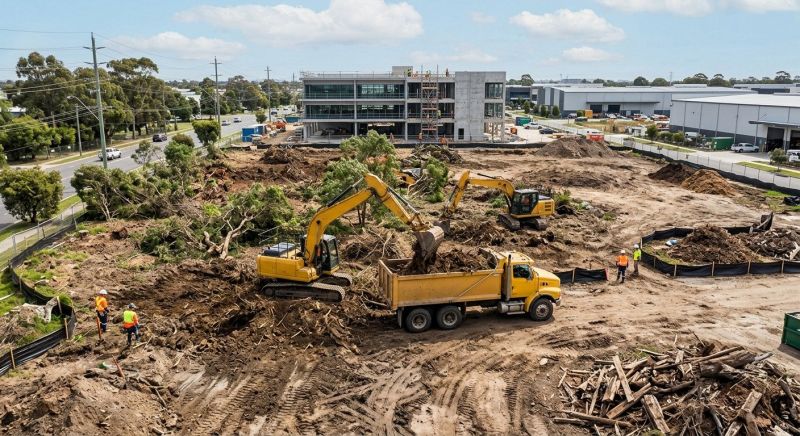
Commercial Site Clearing in Houston, TX
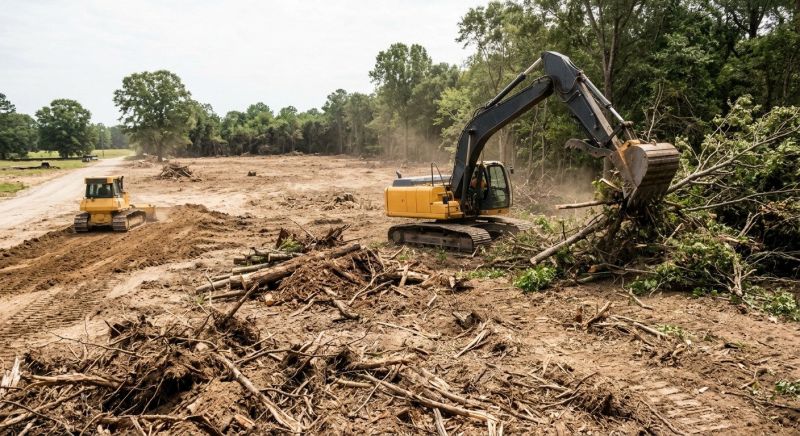
Commercial site clearing services involve the removal of trees, shrubs, debris, and other obstructions to prepare a property for development or construction projects. These services typically cover a range of projects, including new building sites, parking lots, landscaping renovations, or infrastructure improvements. Property owners usually want to understand the scope of clearing required, the types of vegetation and materials that will be removed, and any potential impact on the land’s topography or drainage.
Before requesting site clearing, property owners should consider the size and layout of the area, as well as any local regulations or permits that may be needed. It’s also important to clarify whether the project involves complete removal of existing vegetation or selective clearing to preserve certain features. Understanding these details helps ensure the clearing process aligns with the intended use of the property and complies with relevant guidelines.
Many property owners in Houston, TX look into Commercial Site Clearing for repairs, replacements, upgrades, and appearance-related improvements.
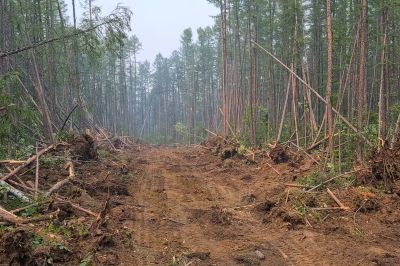
Land Preparation For Development
Clearing overgrown vegetation and debris prepares land for construction or landscaping projects.
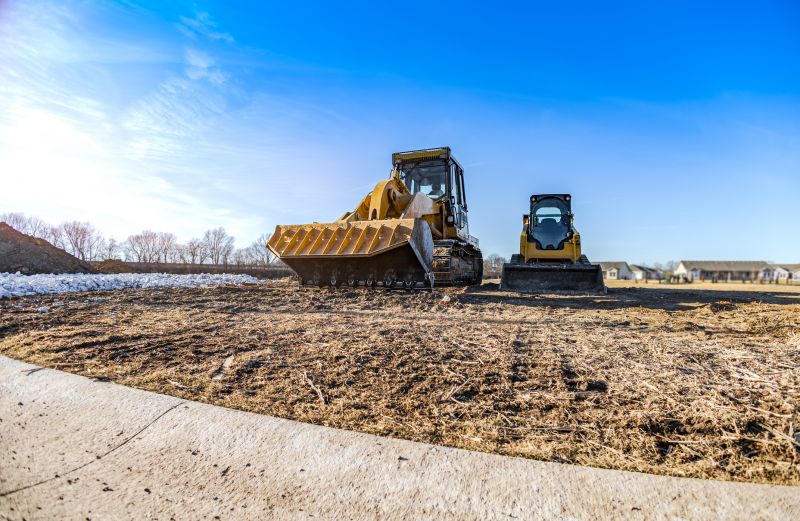
Tree And Brush Removal
Removing trees, shrubs, and brush helps create a safe and accessible property layout.
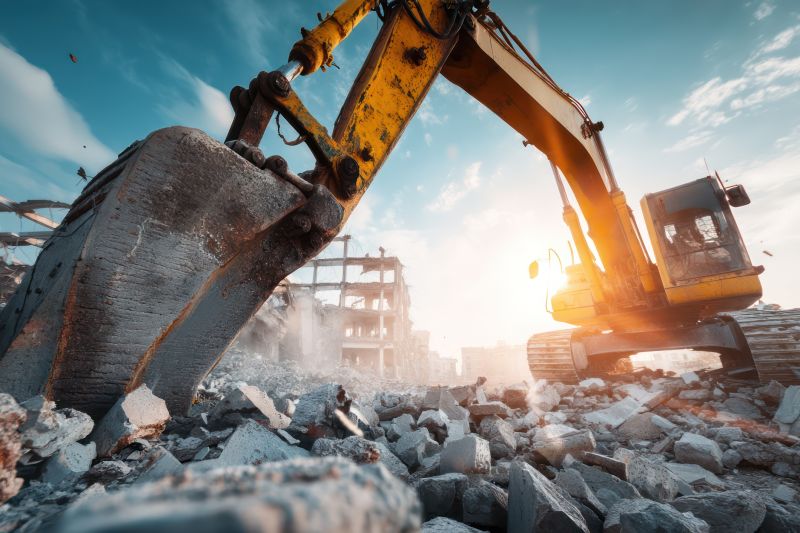
Site Cleanup And Grading
Leveling and clearing the land ensure proper drainage and foundation stability for building projects.
Commercial Site Clearing in Houston, TX

Commercial site clearing services involve the removal of trees, shrubs, debris, and other obstructions to prepare a property for development or construction projects. These services typically cover a range of projects, including new building sites, parking lots, landscaping renovations, or infrastructure improvements. Property owners usually want to understand the scope of clearing required, the types of vegetation and materials that will be removed, and any potential impact on the land’s topography or drainage.
Before requesting site clearing, property owners should consider the size and layout of the area, as well as any local regulations or permits that may be needed. It’s also important to clarify whether the project involves complete removal of existing vegetation or selective clearing to preserve certain features. Understanding these details helps ensure the clearing process aligns with the intended use of the property and complies with relevant guidelines.
Many property owners in Houston, TX look into Commercial Site Clearing for repairs, replacements, upgrades, and appearance-related improvements.
Common Commercial Site Clearing Jobs
Commercial Site Clearing - removal of trees, brush, and debris to prepare land for construction or development.
Lot Clearing - clearing overgrown areas to create open spaces for future projects.
Vegetation Removal - cutting back or removing unwanted plants to improve land usability.
Stump Grinding - grinding down tree stumps to level the ground and prevent hazards.
Land Grading - leveling the terrain to ensure proper drainage and foundation stability.
Debris Removal - clearing away construction waste and leftover materials from the site.
Commercial Site Clearing Questions
What types of projects require site clearing? Site clearing is often needed for new construction, landscaping, or property development to prepare the land for future use.
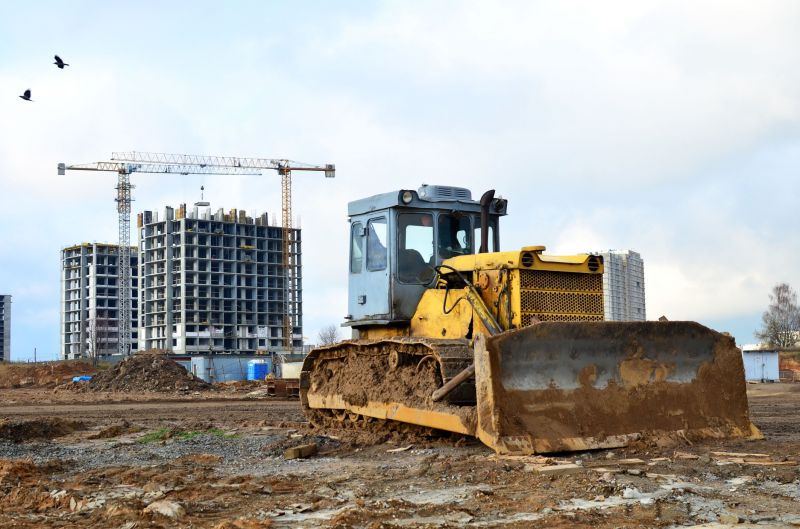
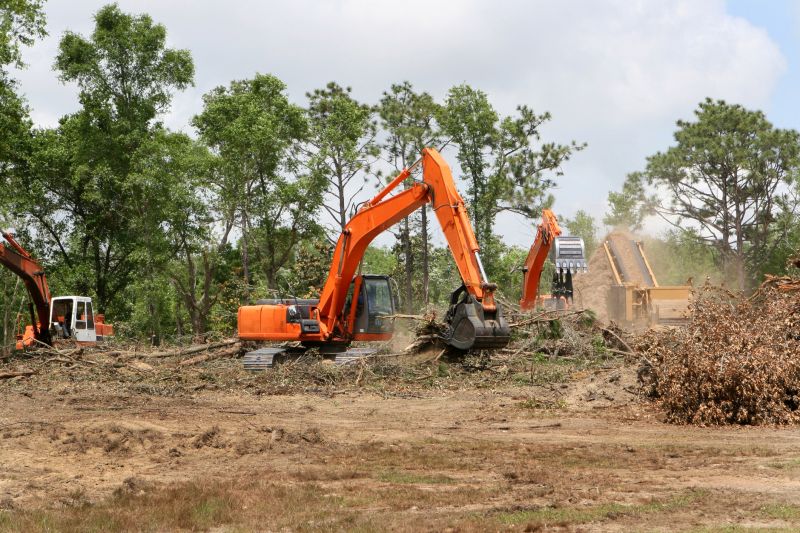
What equipment is used for commercial site clearing? Heavy machinery like bulldozers, excavators, and loaders are commonly used to remove trees, debris, and topsoil efficiently.
Is site clearing necessary before building? Yes, clearing the land ensures a level, debris-free surface that is suitable for foundation work and construction activities.
What should property owners consider before clearing? It’s important to assess the land’s topography, any existing vegetation, and local regulations that may impact the clearing process.
Request Commercial Site Clearing in Houston, TX
Use the quote form on this page to share the basics of your project and request more information for the type of work you need.