Backfilling Service in Salt Lake City, UT
Backfilling services involve filling in excavated areas around foundations, trenches, or other structures to restore stability and prevent issues like settling or erosion. This service is commonly requested for projects such as basement or foundation repairs, new construction, drainage improvements, or landscaping where soil has been removed or disturbed. Property owners should understand the importance of using suitable materials and proper techniques to ensure the backfill provides adequate support, minimizes future settlement, and maintains the integrity of the structure.
Before requesting backfilling services, homeowners typically want to know about the type of soil or fill material used, the process involved, and how the work will impact their property. It’s also helpful to consider the timing of the backfill, especially in relation to other construction or repair activities, and to clarify any concerns about drainage, compaction, or potential settling over time. Proper planning and communication can help ensure the backfilling supports the long-term stability of the project and property.
Many property owners in Salt Lake City, UT look into Backfilling Service for repairs, replacements, upgrades, and appearance-related improvements.
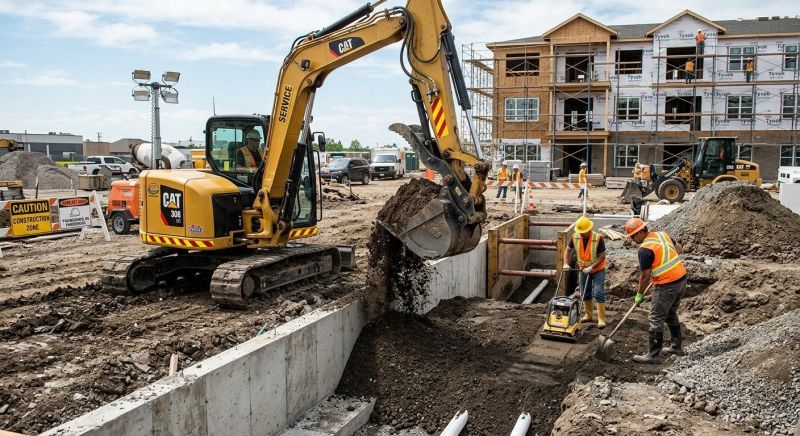
Foundation And Landscaping Restoration
Backfilling helps restore stability after excavation or foundation work on residential and commercial properties.
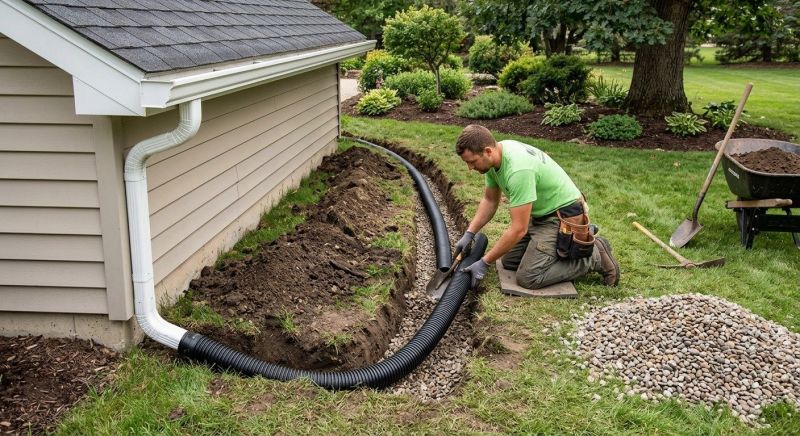
Soil And Gravel Replacement
This service is often used to fill gaps around structures, driveways, and walkways in salt lake city and nearby areas.
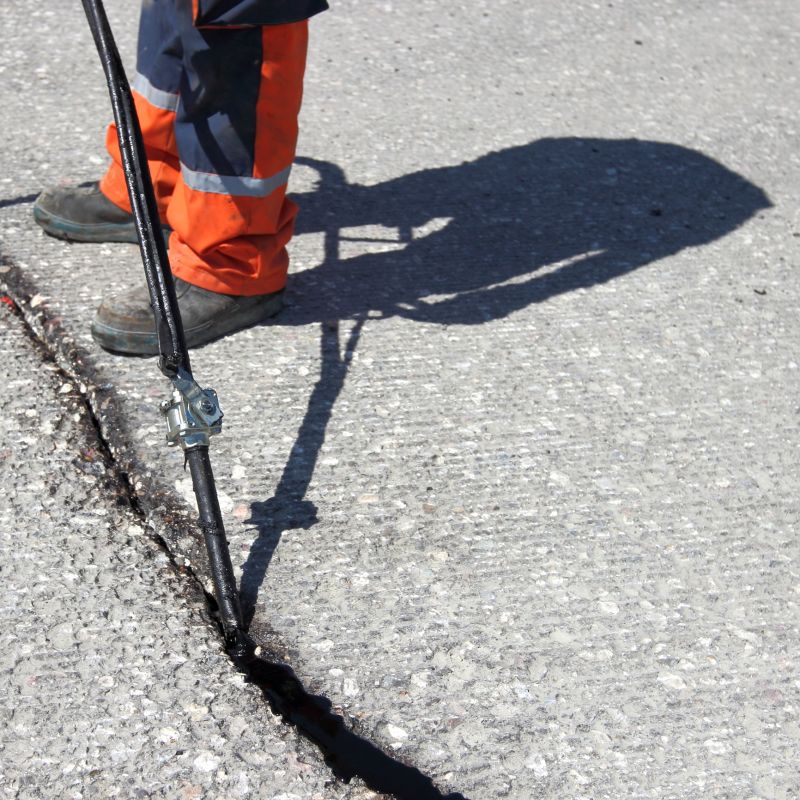
Underground Utility Backfilling
Proper backfilling ensures safety and support for underground utilities and drainage systems in urban and suburban settings.
Backfilling Service in Salt Lake City, UT
Backfilling services involve filling in excavated areas around foundations, trenches, or other structures to restore stability and prevent issues like settling or erosion. This service is commonly requested for projects such as basement or foundation repairs, new construction, drainage improvements, or landscaping where soil has been removed or disturbed. Property owners should understand the importance of using suitable materials and proper techniques to ensure the backfill provides adequate support, minimizes future settlement, and maintains the integrity of the structure.
Before requesting backfilling services, homeowners typically want to know about the type of soil or fill material used, the process involved, and how the work will impact their property. It’s also helpful to consider the timing of the backfill, especially in relation to other construction or repair activities, and to clarify any concerns about drainage, compaction, or potential settling over time. Proper planning and communication can help ensure the backfilling supports the long-term stability of the project and property.
Many property owners in Salt Lake City, UT look into Backfilling Service for repairs, replacements, upgrades, and appearance-related improvements.
Common Backfilling Service Jobs
Foundation Backfilling - restores soil around a foundation after excavation to stabilize the structure.
Basement Wall Backfilling - fills in around basement walls to support and protect them from shifting.
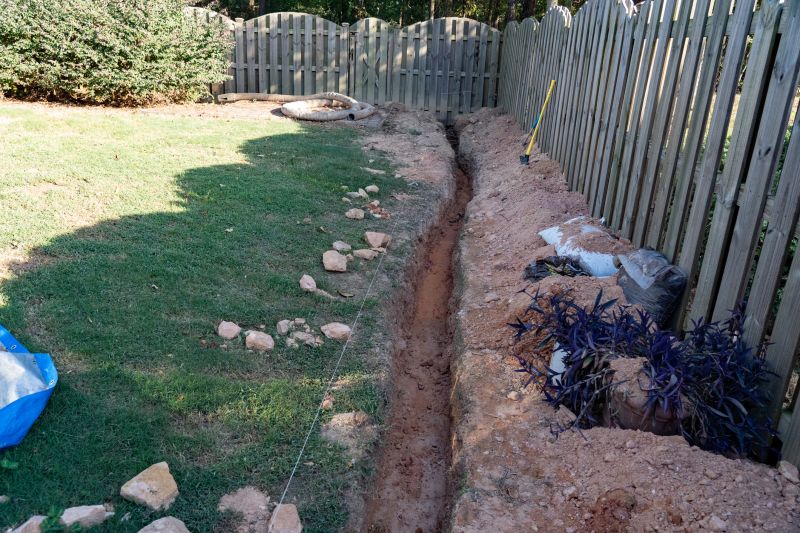
Utility Trench Backfilling - covers underground utility lines after installation to prevent damage and settling.
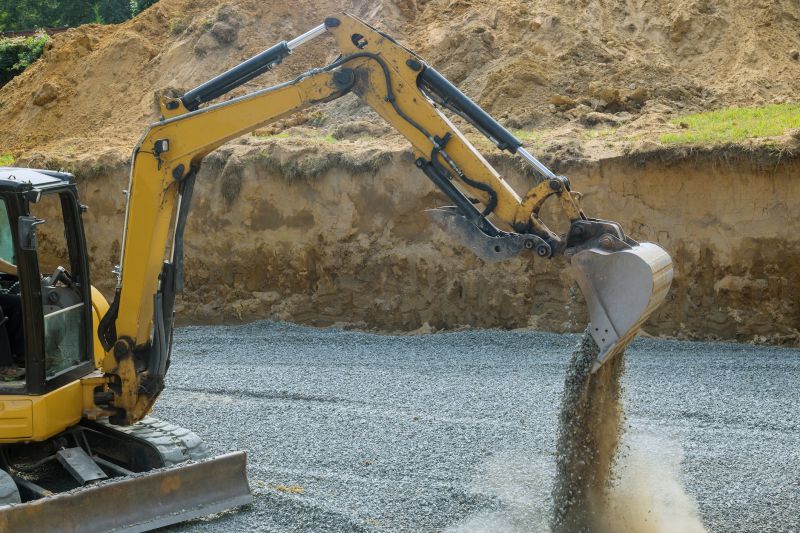
Excavation Backfilling - refills excavated areas to prepare for landscaping or new construction.
Drainage System Backfilling - backfills around drainage pipes to ensure proper water flow and prevent erosion.
Landscape Backfilling - restores soil in yard or garden areas after grading or construction work.
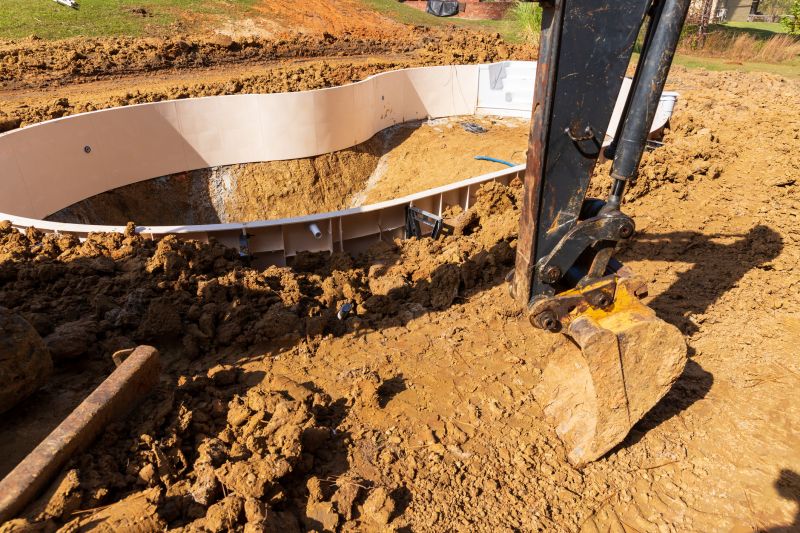
Backfilling Service Questions
What is backfilling service used for? Backfilling is used to fill in excavated areas around foundations, trenches, or underground utilities to restore stability and prevent settling.
Which projects typically require backfilling? Common projects include foundation repairs, drainage installations, and utility line placements that need soil replacement afterward.
What types of soil are suitable for backfilling? The appropriate soil depends on the project, but generally, well-compacted gravel, sand, or soil that matches surrounding ground conditions are used.
Why is proper compaction important in backfilling? Proper compaction helps prevent future settling, maintains structural integrity, and reduces the risk of damage to underground work.
Request Backfilling Service in Salt Lake City, UT
Use the quote form on this page to share the basics of your project and request more information for the type of work you need.